Weather Radios
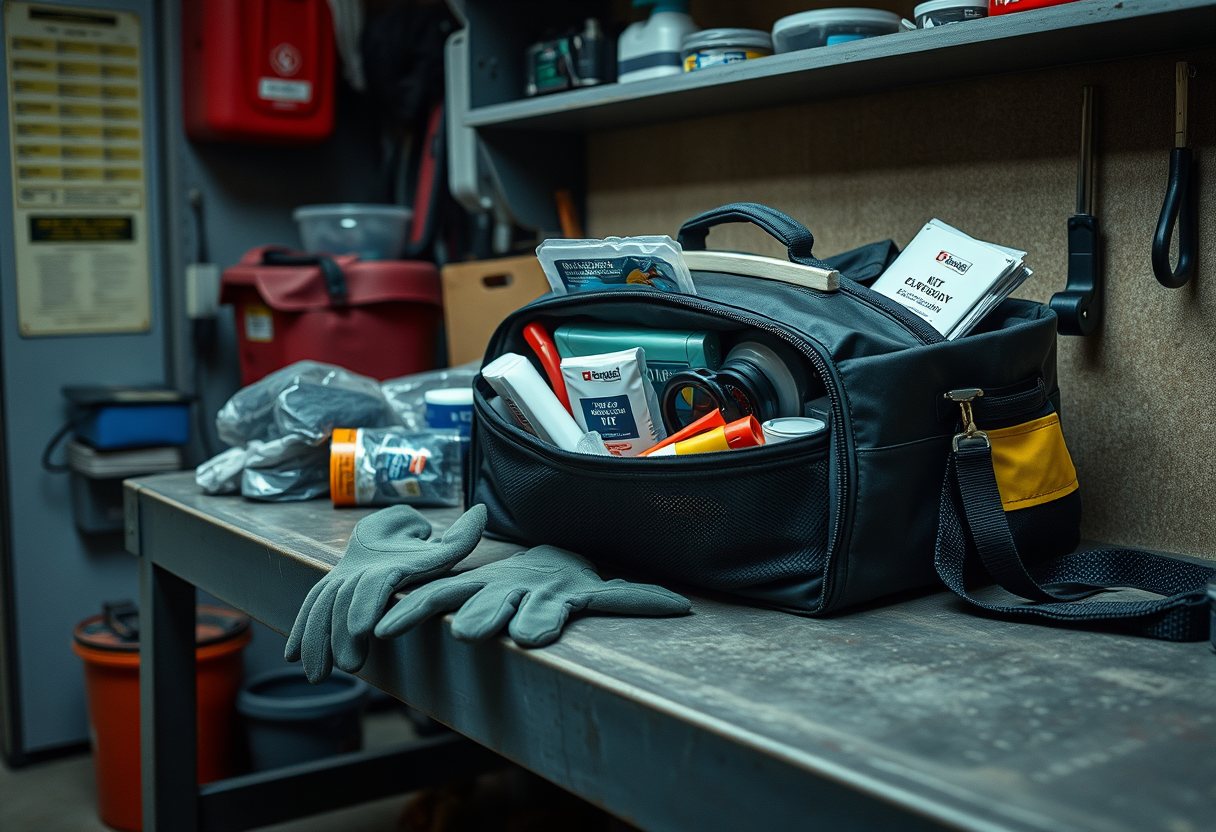
Illustrative photo of this kind of gear — the official product photo loads via Amazon.
QAUYYW Solar Hand Crank Emergency Radio, 20000mAh AM FM NOAA Weather Radio
See price on Amazon
Live Amazon pricing connects soon — confirm today's price on Amazon.
As an Amazon Associate I earn from qualifying purchases.
Photo gallery
loads via Amazon API📷
Photo gallery
loads via Amazon API📷
Photo gallery
loads via Amazon API
The problem it solves
The hardest part of an extended outage is not the first night, it is the third day: phone batteries flat, weather updates mattering more than ever, and the small crank radio already spent. The QAUYYW emergency radio is built around that scenario. Its battery is rated 20000mAh, which is 74,000mWh, and that capacity is the whole point of the product.
At that size the radio stops being only a radio. It becomes a power reserve you can use for information, for light, and for keeping a phone alive long enough to make contact — and because it can also be refilled from the sun or by hand, the reserve can be rebuilt without a wall outlet.
How it works
The receiver covers AM, FM, shortwave, and the NOAA weather band, with analogue tuning rather than a digital keypad. That means a tuning dial, a band selector, and a volume control — very little to go wrong and nothing to configure. A 52 cm telescopic antenna extends for better reception, and raising it is the single most effective thing you can do to pull in a weak weather channel.
The NOAA warnings here work the same way they do on most emergency radios in this class: you switch to the weather band, tune to the station that serves your area, and leave the radio on. QAUYYW is explicit on this point in its own product documentation — the radio needs to be powered on and manually tuned to a local station to receive alerts. It is not a S.A.M.E. receiver with county codes. If you want unattended, county-specific warnings, that is a different product.
Light comes from two sources: a 3W flashlight and a 3.5W reading lamp. The lamp is the more useful of the two indoors, throwing a broad enough pool of light to work by, while the flashlight is for walking and inspecting. An SOS alarm is included for signaling, and the radio is rated IPX6, meaning it is protected against strong water jets — rain and spray, not submersion.
The capacity also shows up in runtime. QAUYYW rates this radio for up to 35 hours of playback on a single charge at medium volume and up to 50 hours of continuous use from the reading light. Those are long numbers, and they are the practical difference between a radio you ration and one you simply leave switched on.
Power and charging
Three charging paths keep the 20000mAh pack in play: a USB Type-C connector for fast, routine refills, a solar panel for indefinite trickle top-ups, and a hand crank for when there is no sun and no outlet. USB-C is the one you will use most, and having a modern connector rather than micro-USB makes a real difference on a device that is itself a phone charger — one cable covers both the radio and the phone.
The honest limits are the same as on every solar crank radio: the panel and the crank are backups, not mains replacements. Expect the solar panel to hold and slowly rebuild a charge in direct sun rather than to refill the battery in an afternoon, and expect the crank to add listening time rather than to finish a charge. The 20000mAh capacity is what saves you, not the speed of the emergency sources.
As a phone charger, this is the most capable device in this group by a wide margin. A battery this size will charge a typical phone several times over, and it will handle small tablets too. The output is designed for emergency-rate charging of devices rather than for laptop-class power delivery, so plan on phones, radios, and lights rather than anything larger.
One trade worth naming: capacity brings weight. At about 10.88 ounces it is a bag radio rather than a pocket radio — the cost of the lights, the long antenna, and the battery pack.
Who it's for
This suits a household that wants one device to sit at the centre of its outage plan: a radio for weather and news, a light for the room, and a power reserve that keeps phones alive across several days. Campers, van owners, and cabin owners get a solar-refillable light and power source that doubles as a weather radio and tops itself up in a window.
Who should skip it
Skip it if you want unattended county-level alerts. This radio's warnings depend on you being switched on and tuned to the right station, so for automatic overnight notification you want a S.A.M.E. alert radio alongside it. Skip it too if you need a radio that fits in a jacket pocket or weighs next to nothing — the capacity that makes this product useful is also what makes it the heaviest item in its class.
And skip it if you want a premium receiver: the AM and FM sections here are practical rather than audiophile, so pulling in distant stations on a crowded dial is a job for a dedicated multiband set.
Pros
- 20000mAh (74,000mWh) battery — large enough to run the radio for days and still charge phones
- USB-C input plus solar panel and hand crank for refilling without mains power
- Up to 35 hours of radio playback at medium volume and up to 50 hours from the reading light
- AM, FM, shortwave, and NOAA weather band coverage
- 3W flashlight plus a 3.5W reading lamp for area light
- IPX6 rated against strong water jets
- 52 cm telescopic antenna for better weather-band reception
- SOS alarm and a 12-month warranty
Cons
- No S.A.M.E. county codes — alerts require the radio to be on and manually tuned
- Analogue tuning rather than a digital keypad with presets
- Solar and crank charging are slow top-ups, not fast refills
- At about 10.88 ounces it is a bag radio, not a pocket radio
- Radio section is practical rather than high-end for DX listening
Specs
| Spec | Detail |
|---|---|
| Battery | 20000mAh / 74,000mWh built-in rechargeable |
| Runtime | Up to 35 hours of radio playback at medium volume; up to 50 hours of reading-light use |
| Charging | USB Type-C, solar panel, hand crank |
| Bands | AM / FM / SW / NOAA weather with analogue tuning |
| Weather alert | Alerts require the radio to be powered on and manually tuned to a local station (no S.A.M.E. codes) |
| Light | 3W flashlight and 3.5W reading lamp |
| Antenna | 52 cm telescopic |
| Water resistance | IPX6 — protected against strong water jets |
| Extras | SOS alarm, phone and USB device charging, 12-month warranty |
| Weight | About 10.88 ounces |
Frequently asked questions
How long can it actually run?
QAUYYW rates this radio for up to 35 hours of playback at medium volume from a full charge and up to 50 hours of continuous use from the reading light. Volume, speaker versus headphones, and how much you use the lamps are the variables that decide where you land in that range.
Can it charge my phone more than once?
Yes. The 20000mAh pack is several times the size of a typical phone battery, so it can deliver multiple charges to a phone and still run the radio. It is emergency-rate output for phones, tablets, and small devices rather than laptop-class power.
Does the weather alert work automatically?
No. You select the NOAA weather band and tune to a local station, then leave the radio on. Alerts are received on the tuned channel, so the radio must be powered and listening. For unattended county-specific warnings, pair it with a S.A.M.E. alert radio.
Will the solar panel keep it charged on a shelf?
It will hold and slowly rebuild a charge in direct sunlight, which is useful for gear that sits in a window or on a dashboard. It is a trickle source, not a fast charger; USB-C is the quick way to refill.
Is it waterproof enough for camping?
It is rated IPX6, which covers strong water jets at a defined angle — rain, spray, and wet hands are fine. Immersion and standing water are not, so keep it out of puddles and off the floor of a wet tent.
Verdict
The QAUYYW is the capacity play, and it makes that case convincingly. A 20000mAh battery rated for 35 hours of radio playback and 50 hours of reading light is a different class of tool from a small crank radio: this is the device that is still working on day three, and it is also the one that keeps a household's phones alive while the grid is down. USB-C, solar, and crank charging mean it can be refilled from a wall, the sun, or your arm.
Be clear about the two things it is not. It is not a S.A.M.E. alert radio, so warnings depend on you leaving it tuned and switched on. And it is not a pocket radio, at roughly 10.88 ounces. Accept both and this is the radio to build an outage plan around — with a county alert radio next to it if overnight warnings matter.
Check the current price on Amazon: View on Amazon
As an Amazon Associate I earn from qualifying purchases.
Video review
Watch it in action before you buy.
Video: “QAUYYW 74000mWh Emergency Radio Review | Best Solar Hand Crank NOAA Weather Radio for Camping” by Next Top Deals on YouTube.
Rate this product
Own it or researched it? Give it a star rating — it helps other readers.
Reader comments & questions
Ask a question or share your experience with this gear.
Leave a comment
Was this review helpful?
Share this review:
You may also like
Raynic 5000mAh Emergency Weather Radio
A lighter, six-way-powered alternative if this battery size is more than you need.
Kaito Voyager Max KA900 Emergency Radio
Wide band coverage with a large solar panel for off-grid listening.
Midland WR400 Deluxe Weather Alert Radio
S.A.M.E. county alerts with voice and a colour display for home warning coverage.
Loading comments…